



Nutrition for Chronic Kidney Disease (CKD) in Children – Specialized Nutrition: nephea Products from metaX
The kidneys are vital organs of the body that perform critical metabolic functions. If kidney function is permanently impaired, this is referred to as chronic kidney disease (CKD).1, 2
A tailored diet is crucial in the treatment of children with chronic kidney disease to ensure normal development and growth. In addition, dietary management can help reduce the strain on the kidneys, positively influence the course of the disease, and improve overall quality of life.3 Formulas and tube feeds such as nephea are tailored to the individual needs of children with chronic kidney disease and provide the body with all essential nutrients.
 The kidneys perform many vital functions in the body: They filter the blood to eliminate toxic metabolic waste products through urine, and regulate blood pressure, fluid balance, and the levels of minerals such as sodium, potassium, and phosphate. In addition, the kidneys produce important hormones that are crucial, for example, for the growth of healthy bones and muscles and for the production of red blood cells.1
If kidney function is permanently impaired, the condition is referred to as chronic kidney disease. Five stages of severity can be distinguished, based on the kidney’s remaining filtration capacity. In children, chronic kidney disease can occur as early as infancy or develop gradually during childhood. The causes are varied: Some children are born with a kidney malformation, while others develop the condition due to an inherited metabolic or kidney disorder.2, 4
As chronic kidney disease progresses and kidney function declines, hormonal imbalances occur and toxic metabolic byproducts accumulate in the body. In addition, the body’s water and electrolyte balance is disrupted. This can lead to numerous symptoms and health complications. The most common symptoms of chronic kidney disease include, among others:

- Growth and developmental delays due to insufficient energy and nutrient intake,
- Loss of appetite or refusal to eat due to nausea or a change in sense of taste,
- abnormal blood test results, such as potassium or phosphate levels that are too high or too low, which can affect the cardiovascular system and bone health,
- Fatigue, reduced stamina, and difficulty concentrating.5
 The diet of children with chronic kidney disease often requires individualized adjustments, which frequently necessitate limiting the consumption of certain foods. Nevertheless, it is important that the child receives an adequate intake of calories and nutrients. Proper nutrition is a crucial component of treatment for chronic kidney disease in children, helping to ensure normal development and growth and improve quality of life. The right diet can help:
- to fully meet energy and nutrient needs,
- Maintaining blood levels of potassium, phosphate, and sodium within the target range,
- to relieve the kidneys as much as possible and thereby have a positive effect on the course of the disease,
- to promote growth and physical development.
It is often difficult to achieve these goals through a normal diet alone. In such cases, specially formulated beverages and tube feeds, such as nephea, can be helpful. They are designed to meet the specific needs of infants and children with chronic kidney disease while also being well tolerated.
Nutrition and dietary management for children with chronic kidney disease is complex and should be carried out in close collaboration with a certified dietitian and the treating physician in order to address the individual needs of the affected child.2, 6, 7, 8
nephea Neonate 1
- for infants from birth onwards – infant formula
- low-protein, electrolyte-controlled powdered beverages and tube feeding formulas
- with micronutrients in age-specific amounts tailored to individual needs
- containing carbohydrates (primarily lactose) and human milk oligosaccharides (HMOs)
- enriched with DHA and ARA, as well as nucleotides
- low in potassium and phosphorus
- can be used as a drink, tube feed, porridge, or pudding
nephea Infant 2
- for infants 6 months and older – follow-on formula
- low-protein, electrolyte-controlled powdered beverages and tube feeding formulas
- with micronutrients in age-specific amounts tailored to individual needs
- containing carbohydrates (primarily lactose) and HMOs
- enriched with DHA and ARA, as well as nucleotides
- low in potassium and phosphorus
- can be used as a drink, tube feed, porridge, or pudding
nepheaHD Neonate 1
- for infants from birth onwards – infant formula
- low-protein, electrolyte-controlled powdered beverages and tube feeding formulas
- with micronutrients in age-specific amounts tailored to individual needs
- containing carbohydrates (primarily lactose) and HMOs
- enriched with DHA and ARA, as well as nucleotides
- Good to know: Higher potassium and phosphorus content than Nephea Neonate
- can be used as a drink or tube feed, or prepared as a porridge or pudding
nepheaHD Infant 2
- for infants 6 months and older – follow-on formula
- low-protein, electrolyte-controlled powdered beverages and tube feeding formulas
- with micronutrients in age-specific amounts tailored to individual needs
- containing carbohydrates (primarily lactose) and HMOs
- enriched with DHA and ARA, as well as nucleotides
- Good to know: Higher potassium and phosphorus content than Nephea Infant
- can be used as a drink, tube feed, porridge, or pudding
nephea Kid
- for children from 1 year
- low in protein, with a specific electrolyte balance, high in energy
- low in potassium and phosphorus
- for use as a nutritional drink, tube feeding formula, or to enrich meals
nepheaHD Kid
- for children from 1 year
- low in protein, with a specific electrolyte balance, high in energy
- Good to know: Higher potassium and phosphorus content than nephea Kid
- for use as a nutritional drink, tube feeding formula, or to enrich meals
nepheaAS12 Infant
- for infants and toddlers with chronic kidney disease and cow’s milk protein allergy
- Features: Hypoallergenic, made from free-form amino acids; lactose- and gluten-free
- Special Features: Free of cow’s milk, egg, and wheat proteins; suitable for people with multiple food intolerances
- low in potassium and phosphorus
- for use as bottle feed, baby food, or tube feed
IMPORTANT:
The treating physician, in consultation with the attending dietitian, will determine which nephea product and dosage are most appropriate for your child with chronic kidney disease. Factors such as age, stage of the disease, lab results, and individual nutritional needs will be taken into account.
nephea infant formulas and tube feeds are specially formulated to meet the unique nutritional needs of infants. For example, they contain human milk oligosaccharides (HMOs), certain fatty acids such as DHA and ARA, and nucleotides. But what exactly are these?
Human Milk Oligosaccharides
Breast milk is tailored to the needs of infants and, in addition to important nutrients, contains many protective and health-promoting components. These include, among other things, antibodies, hormones, and so-called “human milk oligosaccharides” (HMOs). HMOs are the third most common component of breast milk, after lactose and fats.
Currently, scientists have identified about 200 different HMOs. They consist of various sugar building blocks and cannot be digested in the gut. Instead, they serve as food for beneficial gut bacteria. In this way, they support a healthy gut microbiota, which has a positive effect on digestion. Bowel movements and stool consistency can be regulated, thereby improving the child’s well-being.10
In addition, HMOs help strengthen the immune system and reduce the risk of allergies.11, 12
DHA & ARA
Docosahexaenoic acid (DHA) and arachidonic acid (ARA) are special fatty acids that are very important for the healthy development of infants. They belong to the group of so-called long-chain, polyunsaturated fatty acids and occur naturally in breast milk.13, 14
DHA belongs to the omega-3 fatty acid family, while ARA belongs to the omega-6 fatty acid family. Both are important building blocks of cell membranes and play a central role in the development of the brain, nervous system, eyes, and immune system.15
The body can produce DHA and ARA from the essential fatty acids α-linolenic acid (ALA) and linoleic acid (LA). “Essential” means that these fatty acids must be obtained through the diet, since the body cannot produce them on its own. ALA and LA are important for the formation of cell membranes, for growth, and for many other metabolic processes. In infants, the mechanisms responsible for converting ALA and LA into DHA and ARA are not yet fully developed. Therefore, the body can produce these important fatty acids only to a limited extent. Breast milk provides DHA and ARA in a balanced ratio that is optimally tailored to the child’s needs.16, 17
Nucleotides
Nucleotides are natural building blocks that play an important role in our bodies. They form the basis of our genetic material, DNA and RNA.
Nucleotides perform many vital functions in the body. For example, they are involved in cell division, protein synthesis, and the production and transfer of energy. They also assist enzymes in their work and serve as signaling molecules within cells.
Nucleotides occur naturally in their free form in breast milk.
Adding nucleotides to infant formula can support the development of the digestive system and strengthen the immune system. This occurs through increased antibody production and the activation of immune cells. At the same time, the release of anti-inflammatory signaling molecules is stimulated. Some nucleotides may also have antioxidant effects.18, 19, 20
In addition, nucleotides can have a positive effect on the sleep-wake cycle, as they play a role in regulating the circadian rhythm; the gut microbiota also benefits, since nucleotides serve as a food source for beneficial gut bacteria. This, in turn, can have a positive effect on stool consistency.21, 22
Start with small amounts and increase gradually
Especially at first, many children have a hard time accepting larger portions of the liquid nutrition. It helps to start with very small amounts and gradually increase them. This way, the children get used to the taste and consistency step by step.
Incorporate into daily routines

Structured routines in everyday life provide a sense of security. If nutritional drinks are offered regularly at specific times, they are more quickly accepted as a natural part of the daily routine—much like brushing teeth or going to preschool or school.
Reinforce Progress Positively
Children need motivation. Praise, recognition, or small rewards help them stick with therapy. It’s important to set small goals together and acknowledge every step they take. This strengthens their willingness to stay with it over the long term.
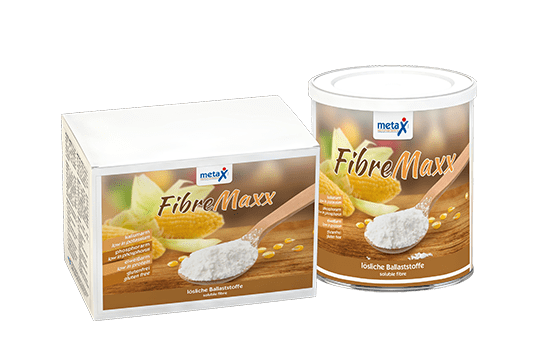 Many children with chronic kidney disease also suffer from digestive problems, with constipation being particularly common. Dietary fiber can help support digestion.9
- contains soluble dietary fiber, which aids digestion.
- has no taste and can be easily stirred into drinks or food.
- does not put additional strain on the kidneys with protein, potassium, or phosphorus.
- Important: There is no need to drink any additional water—a clear advantage when fluid intake is limited.
Yes, all nephea products are available by prescription. If a doctor has prescribed them, statutory health insurance plans will cover the costs.
- Tabibzadeh et al. (2023) Navigating the Kidney Organoid: Insights into the Assessment and Enhancement of Nephron Function. American Journal of Physiology
- Reszke et al. (2021) Chronic Kidney Disease-Associated Itch (CKD-aI) in Children—A Narrative Review. Toxins
- KDOQI (2020) Clinical Practice Guideline for Nutrition in CKD
- Harambat et al. (2012) Epidemiology of chronic kidney disease in children. Pediatric Nephrology
- Cirillo et al. (2023) Chronic Kidney Disease in Children. Clinical Kidney Journal
- Deutsche Gesellschaft für Ernährungsmedizin (DGEM) S1-Leitlinie “Enterale und Parenterale Ernährung von Patienten mit Niereninsuffizienz”. AWMF-Registernummer 073-009
- European Society for Pediatric Nephrology (ESPN) / ESPEN Guidelines on Nutrition in Children with Chronic Kidney Disease
- National Kidney Foundation: Nutrition for Children with Chronic Kidney Disease
- Sirich et al. (2014) Effect of Increasing Dietary Fiber on Plasma Levels of Colon-Derived Solutes in Hemodialysis Patients. Clinical Journal of the American Society of Nephrology
- Bode (2012). Human milk oligosaccharides: Every baby needs a sugar mama. Glycobiology
- Arslanoglu et al. (2008) Early dietary intervention with a mixture of prebiotic oligosaccharides reduces the incidence of allergic reactions and infections during the first two years of life. Journal of Nutrition
- Petschacher (2018) Human Milk Oligosaccharides; *Die Hebamme* 31
- Demmelmair & Koletzko (2015), “Importance of Fatty Acids in the Perinatal Period.” World Review of Nutrition and Dietetics
- Brenna et al. (2007) Docosahexaenoic and Arachidonic Acid Concentrations in Human Breast Milk Worldwide. The American Journal of Clinical Nutrition
- Tvrzicka et al. (2011) Fatty Acids as Biocompounds: Their Role in Human Metabolism, Health, and Disease—A Review. Part 1: Classification, Dietary Sources, and Biological Function. Biomedical Papers of the Medical Faculty of Palacký University, Olomouc, Czechoslovakia
- Ameur et al. (2012) Genetic Adaptation of Fatty Acid Metabolism: A Human-Specific Haplotype That Increases the Biosynthesis of Long-Chain Omega-3 and Omega-6 Fatty Acids. The American Journal of Human Genetics
- Saini & Keum (2018) Omega-3 and omega-6 polyunsaturated fatty acids: dietary sources, metabolism, and significance ─ A review. Life Sciences
- Hess & Greenberg (2012) “The Role of Nucleotides in the Immune and Gastrointestinal Systems: Potential Clinical Applications.” Nutrition in Clinical Practice
- Yau (2003) Effect of Nucleotides on Diarrhea and Immune Responses in Healthy Full-Term Infants in Taiwan. Journal of Pediatric Gastroenterology and Nutrition
- Buck (2004) Effect of dietary ribonucleotides on infant immune status. Part 2: Immune cell development. Pediatric Research
- Sanchez (2009) The Possible Role of Nucleotides in Human Milk as Sleep Inducers. Nutritional Neuroscience
- Uauy (1994) Nonimmune system responses to dietary nucleotides. Journal of Nutrition